


What Happens If an Open Plot Has No Direct Road Access?
Buying an open plot without road access can create unexpected legal and practical problems for property buyers. Before investing, verify the approach road, ownership documents and legal right of way. However, before purchasing a plot, one essential detail deserves careful attention: Does the property have legal and practical road access?
An open plot without road access may look attractive because of its price, location or investment potential. But if you cannot legally reach the land through a public road or a properly established private access road, you may face difficulties using, developing or selling the property.
For example, imagine purchasing a 200-square-yard plot at an attractive price. After registration, you discover that another landowner’s property lies between your plot and the main road. The neighbouring owner refuses to allow you to cross their land. Your investment may become difficult to use, and resolving the dispute could require legal assistance.
This is why buyers should check road access before paying an advance or signing a sale agreement.
In this guide, VBVR Projects explains the risks of buying an open plot without direct road access, how right-of-way rights work, and which documents you should verify before making a property investment.
What Is an Open Plot Without Road Access?
An open plot without road access is a piece of land that does not have a direct connection to a public road or another legally established route through which its owner can reach the property.
Such land is sometimes described as a landlocked plot.
A plot may have road-access problems in several situations:
- The property is surrounded by privately owned land.
- The approved layout plan does not provide the expected connecting road.
- A proposed road exists on a brochure or map but has not been legally established or developed.
- A neighbouring landowner blocks a pathway previously used to reach the property.
- The only available route crosses land without a documented access right.
- A road shown in a layout has been encroached upon or obstructed.
Not every plot located away from a main road has this problem. A property can have valid access through an internal layout road, a public road or a legally established private pathway.
The key question is not whether the plot touches the main road. It is whether the owner has a reliable and legally valid way to reach the property.
5 Major Risks of Buying a Plot Without Direct Road Access

1. Difficulty Reaching Your Own Property
Road access is essential for visiting, inspecting, maintaining and using your land.
If the plot is surrounded by other properties, you may need permission to cross someone else’s land. Without a valid access arrangement, the neighbouring owner may refuse entry or place restrictions on the route.
This can create practical difficulties when you want to inspect boundaries, carry out maintenance or begin permitted development work.
Before purchasing an open plot, physically visit the site and identify the route connecting it to a public road.
2. Legal Disputes With Neighbouring Landowners
One of the biggest risks of a landlocked plot is a dispute over the right of way.
A seller might say that buyers have always used a particular pathway. However, long-standing use alone does not automatically establish every type of legal right in every situation.
The Indian Easements Act, 1882, contains provisions concerning easements of necessity and certain rights of way. Whether a buyer can claim such a right depends on the property’s history, ownership arrangements, applicable law and supporting evidence.
For example, if a plot was created by dividing a larger property, the documents and circumstances of that division may be important in determining whether an access right exists.
Do not assume that a court will automatically grant access simply because your plot has no road. Ask a property lawyer to examine the title documents and access arrangements before proceeding.
You can read the Indian Easements Act, 1882 for the legal framework.

3. Challenges in Construction and Property Development
If you plan to build a house or develop your land in the future, access must be examined alongside layout approval and applicable building regulations.
Construction may require workers, materials, equipment and vehicles to reach the site. If the route is blocked or disputed, development can become more complicated.
Additionally, a plot’s ownership documents do not by themselves establish that the property has every approval needed for construction.
In Telangana, buyers should verify the relevant layout approval and development requirements with the competent authority. The Telangana Building Permission Approval and Self-Certification System provides official information on building and layout-related requirements.
Remember that road access, clear ownership and development approval are separate matters. Check all three before investing.
4. Lower Resale Appeal and Possible Financial Loss
Many future buyers prefer plots that have clear boundaries, convenient access and verifiable documents.
If your property has an unresolved road-access issue, prospective buyers may hesitate to purchase it. Some may request a lower price, while others may decide not to proceed.
This can affect your ability to sell the property when you need money or want to move your investment elsewhere.
The financial impact depends on the location, land value, availability of alternative routes and the seriousness of the access problem. There is no fixed percentage by which every landlocked plot loses value.
When comparing open plots, consider the total investment and the certainty of access, not just the advertised price per square yard.
5. Dependence on Another Person’s Land
Suppose the only route to your plot passes through a neighbouring owner’s private property.
If you do not have a legally valid right to use that route, your access may depend on the neighbour’s consent. This can create uncertainty if the neighbouring property is sold, inherited or developed.
A verbal promise may not provide the protection you expect.
Where a private access road is necessary, have a lawyer verify the legal basis of the right, its permitted use, the route’s dimensions, maintenance responsibilities and whether the arrangement will remain effective for future owners.
Do not rely only on a seller’s assurance that the neighbour will always cooperate.
What Is the Right of Way for a Plot?
A right of way is a legal right to pass over land belonging to another person or entity in circumstances recognised by law or an applicable agreement.
For example, a plot may be located behind another property. Its owner might have a legally established pathway connecting it to a public road.
However, the existence, width, permitted use and enforceability of that pathway must be verified.
Depending on the circumstances, an access right may arise through a valid grant, relevant property arrangements, a qualifying easement of necessity or another recognised legal basis.
Keep these distinctions in mind:
- Public road: A road available for public use under the applicable legal arrangements.
- Approved layout road: A road shown in the relevant approved layout documentation, subject to its legal status and implementation.
- Private access road: A route over private land that may require a documented and enforceable access right.
- Proposed road: A road shown in a proposal or plan that may not yet be available for actual use.
A road drawn on a marketing brochure does not, by itself, prove that you have a legal right to use it.
How to Check Road Access Before Buying an Open Plot
Before investing in an open plot in Hyderabad or elsewhere in Telangana, follow these practical steps.
Step 1: Visit the Actual Property
Do not depend only on photographs, online maps or a sales representative’s explanation.
Visit the site and identify the route from the nearest public road. Check whether you can reach the plot on foot and whether the route is physically usable.
Observe whether the route is blocked by walls, fences, gates or neighbouring structures.
Step 2: Verify the Approved Layout Plan
Ask the seller for the relevant layout approval documents and approved plan, where applicable.
Check whether the plot is properly identified and whether the connecting road appears in the approved layout.
Verify the approval with the competent authority. A tentative approval, an unapproved layout or a road shown only in promotional material may not provide the assurance you need.
The Telangana Layout Regularization Scheme portal explains important distinctions concerning unapproved layouts and competent-authority approvals. Check the rules applicable to your particular property rather than assuming that every layout can be regularised.
Step 3: Examine the Sale Deed and Link Documents
Review the current sale deed and previous title documents with a qualified property lawyer.
Ask the lawyer to confirm the property’s boundaries, ownership history and whether any documented access right applies to the plot.
If access depends on neighbouring land, check whether the relevant deed, easement document or other legal instrument clearly establishes the route and its permitted use.
Step 4: Check the Survey and Boundaries
Compare the physical site with the survey details, plot measurements and relevant land records.
A licensed surveyor or other qualified professional can help identify boundary discrepancies and determine whether the route shown in the documents corresponds to the actual site.
This is especially important when the road passes between private plots or when the site layout differs from the seller’s map.
Step 5: Confirm Whether Access Is Legally Protected
Ask a property lawyer to investigate any road-access concern before you make a non-refundable payment.
If the route crosses private property, establish the legal basis for using it. Confirm the route’s location, width, permitted use and enforceability, as applicable.
If the road is disputed, blocked or only proposed, resolve the uncertainty before purchasing whenever possible.
Can You Buy a Plot That Has No Direct Road Access?
You may be able to purchase land that does not directly touch a public road, but the decision requires careful legal and practical checks.
For example, an interior plot within a properly planned layout may have access through an internal road. Another plot may have a valid, documented right of way across adjoining land.
These situations differ from a landlocked property with no established access route.
Before proceeding, make sure you understand:
- Whether a legally usable access route exists.
- Whether the route is physically available.
- Whether the plot’s title and boundaries are clear.
- Whether the layout and intended use comply with applicable requirements.
- Whether access can be maintained without relying on an uncertain verbal promise.
If access is disputed or unclear, consider postponing the purchase until the issue has been independently reviewed and resolved.
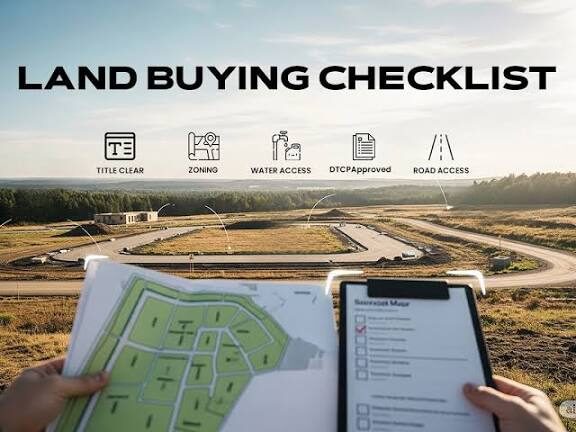
Open Plot Buying Checklist for Smart Investors
Use this checklist before finalising your land investment:
Visit the actual plot and check the approach road.
Verify the sale deed and ownership chain.
Examine the approved layout plan, where applicable.
Confirm the legal status of the connecting road.
Check for encroachments, blocked routes or boundary disputes.
Verify any private right-of-way documentation.
Confirm the plot’s survey details and boundaries.
Check applicable land-use and development approvals.
Obtain an independent legal review before paying a substantial advance.
Completing these checks can help you identify avoidable risks and make a more informed buying decision.
How VBVR Projects Can Help You Make an Informed Property Decision
Choosing an open plot involves more than comparing prices and locations. Buyers should also consider road access, layout documentation, ownership records and the property’s suitability for their intended plans.
At VBVR Projects, buyers can begin their property search with a clear understanding of the factors that matter when evaluating land. Take time to ask questions, inspect the location and review relevant documents before making a final decision.
Explore VBVR Projects for more real estate information and property-related guidance.

A careful approach today can help you avoid unnecessary uncertainty tomorrow.
Frequently Asked Questions (FAQs)
1. What happens if an open plot has no road access?
You may face difficulties reaching, maintaining, developing or reselling the property. If no legally valid access right exists, you may need to negotiate with neighbouring owners or seek legal advice about possible remedies.
2. Is it safe to buy a landlocked plot in Telangana?
It depends on the property’s title, legal access rights, layout status and intended use. Have a property lawyer verify these matters before purchasing.
3. Can a neighbour block the road to my plot?
The answer depends on the legal status of the route and your rights over it. If you have an enforceable access right, blocking the route may raise a legal issue. Seek legal advice promptly if access is obstructed.
4. Does an approved layout guarantee road access?
An approved layout is an important document, but buyers should still verify the relevant plan, the road’s legal status and actual site conditions. Do not rely on approval claims without checking the documents.
5. What documents should I check before buying an open plot?
Review the sale deed, previous link documents, relevant layout approval, survey and boundary details, and any documents establishing a private access right. Additional documents may be needed depending on the property.
6. Can I claim a right of way if my plot is landlocked?
Possibly, depending on the facts and applicable law. The Indian Easements Act, 1882, addresses certain easements of necessity and other rights of way. A lawyer should review your title history and circumstances before advising whether a claim is available.
Conclusion
An open plot can be an important long-term investment, but road access should never be overlooked when buying land. A low price may appear attractive, yet unresolved access issues can create legal disputes, development difficulties and resale challenges.
Before purchasing an open plot in Hyderabad or Telangana, inspect the location, verify the approved layout where applicable, review ownership documents and confirm that you have a legally valid route to the property.
Make an informed decision by checking both the land and the access that makes it usable. With careful verification and professional advice where needed, you can reduce avoidable risks and approach your property investment with greater confidence.
Call to Action: Explore VBVR Projects for real estate insights and guidance to help you make more informed property decisions.
https://whatsapp.com/channel/0029Va9Y6wu7z4kjj2rMqE2gvbvr
